
Financing Available! Just ask for more information.

Termite Identification in Florida: How to Identify Termites in Florida Homes

Termites are among the most destructive pests in Florida, causing more damage annually than hurricanes, fires, and floods combined. What makes them especially dangerous is that they often go unnoticed until significant structural damage has already occurred. Knowing how to identify termites early can help protect your home and save you thousands in repairs.
termite identification in Florida

Why Termites Are a Year-Round Threat in Florida

Florida’s warm, humid climate creates ideal conditions for termite activity year-round. The two most common types found in Florida homes are:

  • Subterranean termites – These live underground and build mud tubes to reach wood above ground.
  • Drywood termites – These nest entirely inside dry wood and do not require soil contact.

According to the University of Florida IFAS Extension, both species are active throughout the state and thrive in both urban and rural environments.

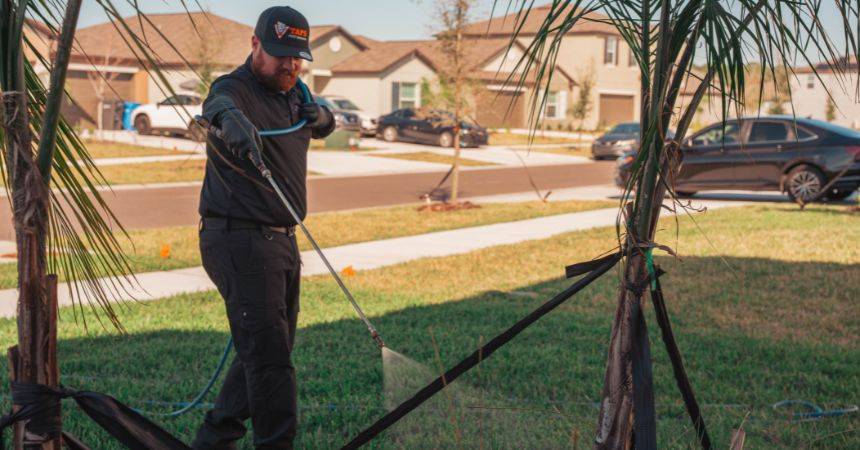
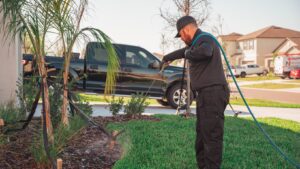
termite identification in Florida. Pest control technician treating a Florida home's yard to prevent termite infestations, applying targeted exterior protection around the property.

Signs of Termite Activity to Watch For

1. Mud Tubes

Subterranean termites construct small, pencil-sized mud tubes along walls, foundations, and crawl spaces to stay protected from air and light while they travel.

2. Swarmers and Discarded Wings

Winged termites, or “swarmers,” emerge in spring to start new colonies. If you find piles of discarded wings near doors or windows, that’s a clear sign they’ve been inside.

3. Damaged or Hollow Wood

Wood that sounds hollow when tapped, appears blistered, or breaks easily may be infested with termites tunneling from the inside.

4. Frass (Termite Droppings)

Drywood termites produce tiny, sand-like fecal pellets called frass. You might see these small piles beneath wooden furniture or windowsills.

5. Sticky Doors and Windows

Swollen wood or subtle structural movement caused by termites can make doors and windows hard to open.

Where to Look for Termites

Outside Your Home

  • Foundation walls

  • Deck posts and joists

  • Mulched areas touching siding

  • Cracks near utility lines or plumbing

Inside Your Home

  • Baseboards and window sills

  • Wood paneling and hardwood flooring

  • Attic rafters and exposed beams

  • Wall studs in damp areas like kitchens and bathrooms

Use a flashlight and screwdriver to gently probe suspicious wood. If it gives easily or sounds hollow, call a professional.

Why Early Detection Matters

Termites can silently destroy structural components before any outward signs appear. Delayed detection often results in:

That’s why proactive inspections and early identification are so important.

What to Do If You Suspect Termites

1. Don’t Disturb the Area

Avoid spraying or breaking apart visible termite signs. This may scatter the colony and make them harder to eliminate.

2. Schedule a Professional Inspection

A licensed termite technician can identify the species, the size of the colony, and the extent of the damage.

3. Follow Up with Proper Treatment

Treatments vary by species. Subterranean termites typically require trenching or bait stations, while drywood termites may need local injections or even fumigation.

Tips for Preventing Termite Infestations

  • Eliminate wood-to-soil contact around your home’s perimeter

  • Repair leaky pipes and maintain dry crawl spaces

  • Seal cracks in concrete foundations and around utility entry points

  • Trim shrubs and remove stumps near the house

  • Schedule an annual termite inspection with a licensed provider

For further details, see the EPA’s termite prevention guide.

Final Thoughts

Knowing the signs of termite activity and where to look can make the difference between a minor issue and a major structural crisis. Termites won’t stop on their own—and in Florida, they can cause damage all year long.

If you’re unsure whether that soft spot in your baseboard is termites or just old wood, don’t guess. Call the experts.


👉 Schedule your free inspection and get peace of mind before termite season kicks into full gear.

Additional Resources

pest control services cost

How Much Do Pest Control Services Cost In Florida?

Florida’s year-round pest pressure isn’t just a nuisance—it’s a budget item. Whether you’re managing a single-family home or multiple rental properties, it helps to understand what pest control services cost, what affects those prices, and how to get the most value without compromising your safety or peace of mind.
Read More »
Quarterly Pest Control

Benefits of Quarterly Pest Control

Florida’s warm climate offers year-round sunshine and comfort, but it also creates ideal conditions for a wide variety of pests. From mosquitoes in the summer to rodents and ants in cooler months, Florida homeowners face constant pest threats that can cause property damage, health issues, and daily discomfort. This makes quarterly pest control not just a convenience, but a necessity for maintaining a safe and healthy home environment.

Read More »
The Hidden Dangers of Termites and Signs to Watch For

The Hidden Dangers of Termites and Signs to Watch For

Termites are small, often unnoticed insects that cause immense damage to structures and properties over time. Often operating silently behind walls, under floors, or within wooden frameworks, these pests compromise the structural integrity of buildings and negatively impact property value.

Read More »

Frequently Asked Questions About Termite Identification in Florida

Florida’s warm, humid climate never reaches temperatures cold enough to slow termite metabolism or colony growth. Both subterranean and drywood termites stay active through every season, meaning homeowners face ongoing risk rather than seasonal spikes. This constant activity is why annual inspections and year-long protection plans are essential in Florida.

Subterranean termites usually leave mud tubes along foundations or exterior walls and are often found in areas with moisture and soil contact. Drywood termites, however, nest entirely inside dry wood and leave behind frass, which looks like tiny sand-like pellets. Identifying the correct species is crucial because treatment methods differ significantly.

Some of the first warning indicators include discarded wings, small piles of frass, hollow-sounding wood, blistered surfaces, and doors or windows that suddenly become difficult to open. Since termites often cause interior damage long before visible signs appear, even minor changes in wood or structure should prompt a professional inspection.

Do not disturb the area or attempt DIY sprays, as this can cause the colony to relocate deeper into the structure. Instead, schedule a professional termite inspection right away. A licensed technician can determine the species, evaluate damage, and recommend the correct treatment—whether that’s trenching, bait stations, localized treatment, or fumigation for severe drywood infestations.

Schedule A Service

taps pest control cartoon

Request A Service