Termite Treatment & Protection in Riverview, FL
Termites cause billions in damage every year. We stop active colonies and protect your home before they start.
Quick answer: Taps treats both subterranean termites (with Trelona bait stations or a liquid soil barrier) and drywood termites (with no-tent foam, borate wood treatment, or whole-structure heat). Florida termite treatment ranges from a few hundred dollars for localized work up to several thousand for whole-structure jobs; a free inspection sets the exact price.
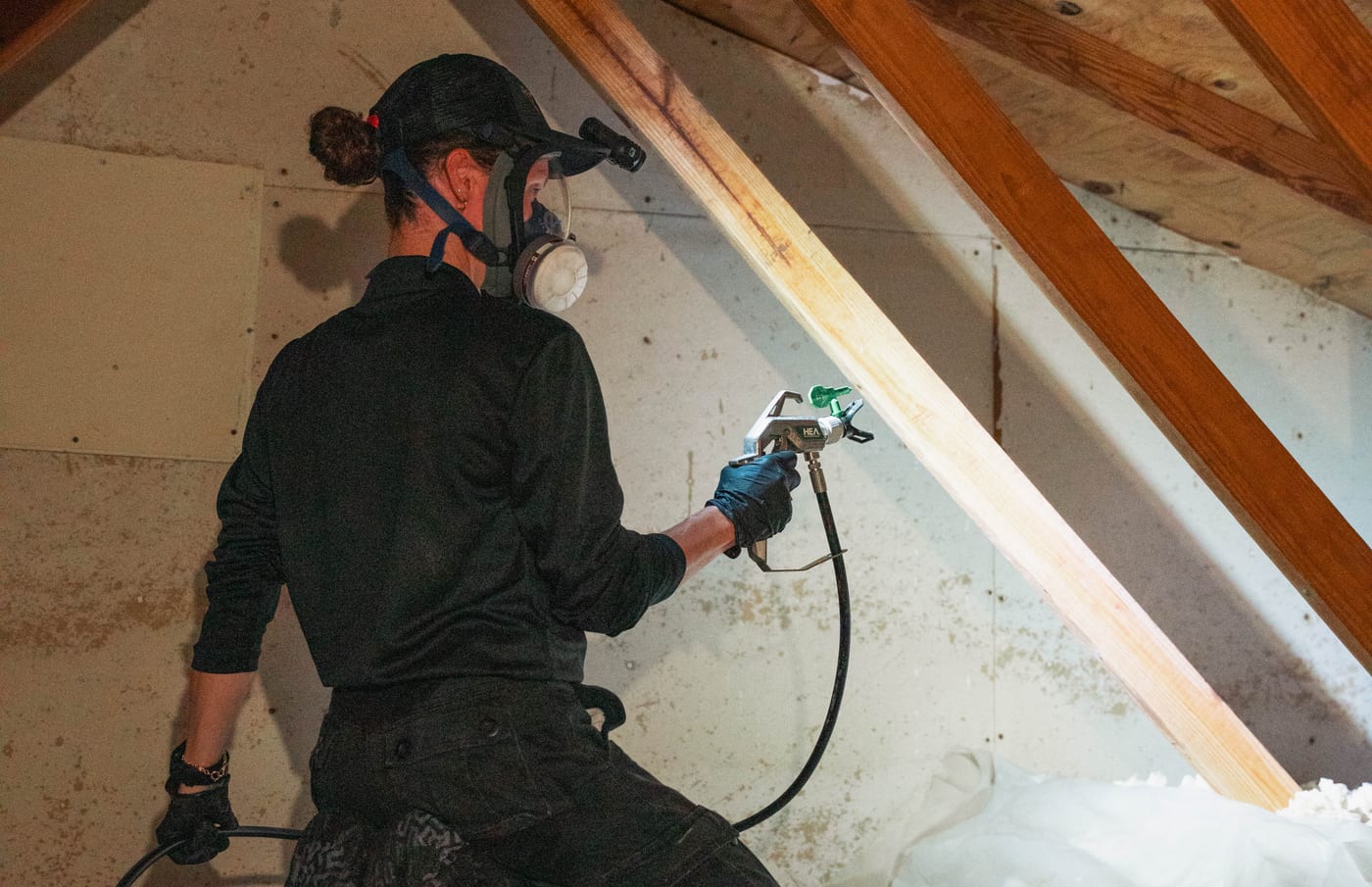
Tampa Bay's climate makes it one of the highest-risk termite regions in the country. We protect against both subterranean and drywood termites. For subterranean termites we install Trelona® ATBS bait stations and offer trench-and-treat liquid barriers; for drywood termites we offer no-tent options including targeted foam/gallery treatment, Bora-Care/Tim-bor wood treatment, and whole-structure heat treatment (125-130°F). We also provide official WDO inspections for real estate.
Pests We Treat
- Subterranean termites
- Drywood termites
- Formosan termites
What's Included
- Free, thorough termite inspection
- Subterranean: Trelona® ATBS bait stations + trench-and-treat liquid barrier
- Drywood: no-tent 'Prevent the Tent' treatment, Bora-Care & heat treatment
- Official WDO / real-estate inspection reports available
- Renewable protection plans and financing on jobs over $1,000
Our Process
- 1Detailed inspection (and thermal imaging for drywood) for active termites
- 2Recommend bait stations, liquid barrier, foam, or heat based on species
- 3Install treatment and eliminate active colonies
- 4Annual monitoring and renewable protection with unlimited covered service
Subterranean vs. Drywood Termites: Know Your Enemy
The right termite treatment depends entirely on which termite you have, and Tampa Bay has both. Subterranean termites live in the soil and build mud tubes up into the structure to reach wood while staying connected to moisture in the ground. They are the most destructive type in Florida and are treated from the soil outward. Drywood termites are different: they live entirely inside the wood itself, need no contact with soil, and often show up in attics, door frames, furniture and trim - which is why you may see small piles of pellet-like droppings with no mud tubes anywhere.
Getting the identification right is the whole ballgame. A soil treatment does nothing for a drywood colony living in your attic rafters, and spot-treating wood will not stop subterranean termites tunneling up from the yard. As a licensed termite and WDO company, we inspect first, confirm the species and the extent, and then match the treatment to the actual threat instead of selling you the one product a company happens to push.
No-Tent Termite Options (and When Tenting Is Worth It)
Most homeowners dread the idea of tenting, and the good news is that many drywood situations do not require it. When an infestation is localized - a section of attic, a door frame, a run of trim - we can often treat it directly with targeted foam and gallery injection, or protect and treat the wood with borate products such as Bora-Care and Tim-bor. For a home-wide drywood problem we also offer whole-structure heat treatment, which raises the interior to roughly 125-130°F to kill termites throughout the structure with no chemicals and no multi-day tent.
Tent fumigation still has its place. When drywood termites are established in many separated areas of the home at once, whole-structure fumigation is the only method that reaches every hidden gallery in a single treatment. The honest tradeoff is that fumigation kills the active colony completely but leaves no residual protection, so nothing stops a new colony from arriving later. For subterranean termites we install Trelona® ATBS bait stations around the home and offer trench-and-treat liquid barriers, both of which keep working long after the day of service.
If you are weighing your choices, our Prevent the Tent page walks through the no-tent alternatives in detail, and our FAQs below cover exactly how to tell when tenting is genuinely necessary.
The True Cost of Waiting on Termites
Termites are quiet and slow, which is exactly what makes them dangerous. A colony can feed inside walls and framing for months or years before you notice a hollow-sounding baseboard, a stuck window, bubbling paint or a scattering of wings on a windowsill. Because standard homeowners insurance does not cover termite damage, every week of delay is structural repair you will eventually pay for out of pocket. In a high-pressure region like ours, the question is usually not if a home will face termites but when.
A professional inspection is inexpensive relative to what it protects. If you are buying or selling, a WDO inspection is also frequently required by the lender and gives everyone at the closing table a clear, documented picture of the home's condition.
Licensed for Termite, WDO & Fumigation
Termite work is not something to hand to a general handyman. Taps is a family-owned company licensed by the Florida Department of Agriculture for termite and wood-destroying organism treatment, WDO inspections and fumigation, and we have protected Tampa Bay homes since 2019. Every treatment is documented, and our work is guaranteed - so you know the colony is handled and you have the paperwork to prove it. Ask about military, veteran and senior discounts when you call.
See Termite Treatment & Protection in Action
How Taps protects Riverview & Tampa homes from destructive termites.
Call 813-315-0447Termite Treatment & Protection - Frequently Asked Questions
What are the signs of termites in my home?
Watch for mud tubes on foundation walls, discarded wings near windows, hollow-sounding or blistered wood, and piles of what looks like sawdust (drywood termite droppings). A free inspection confirms whether they're active.
How much does termite treatment cost in Florida?
Cost depends on home size, termite species, and treatment method (liquid barrier vs. baiting). We provide a free inspection and a flat, written quote - no surprises.
Do I need a termite inspection to buy or sell a home?
Most Florida lenders require a WDO (Wood-Destroying Organism) inspection for real estate transactions. We provide the official report and can treat any issues found.
How do I know if I need to tent my house?
Tenting (whole-structure fumigation) is only for drywood termites, and only when they're widespread or in wood we can't reach with local treatment. If drywood activity is limited to accessible areas, we can often treat it with no-tent methods instead. Subterranean termites are never tented - they live in the soil and are handled with barriers and bait. A free inspection tells us exactly which situation you're in.
Does tenting keep termites away afterward?
No - and this surprises most homeowners. A standard tent fumigation has no residual: it kills what's in the wood at that moment, but nothing stops a new drywood swarmer from flying in and starting over the next day. That gap is exactly what our Prevent the Tent™ options are built to close, adding ongoing protection so you're not left exposed right after treatment.
What's the difference between subterranean and drywood termite treatment?
Subterranean termites live in the soil and reach your home through mud tubes, so we treat the soil - Trelona® ATBS in-ground bait stations and/or a trench-and-treat liquid barrier. Drywood termites live entirely inside the wood, so we treat the wood itself (foam/gallery injection, Bora-Care, or heat) or fumigate. Identifying the species correctly is what determines the right treatment, and it's the first thing our inspection settles.
Need Termite Treatment & Protection in Riverview or Tampa?
Get your free, no-obligation quote today.