Chinch Bugs
Chinch bugs are the #1 killer of St. Augustine grass in Florida - spreading brown, dying patches through sunny areas of the lawn in the heat.
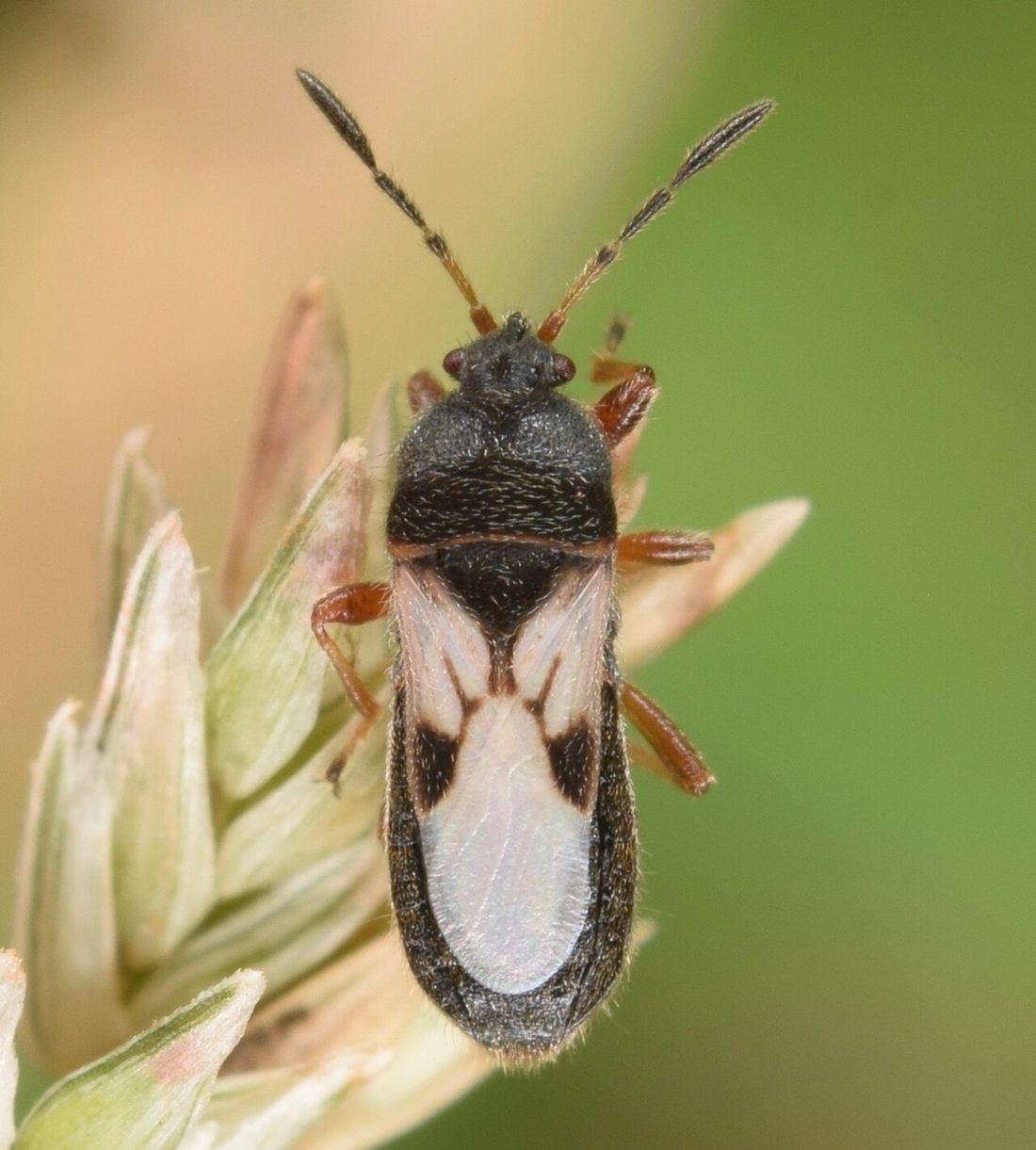
How to Identify Chinch Bugs
Tiny (1/5 inch) black insects with white wings; young are small and reddish. You often need to part the grass at the edge of a dead patch to see them.
Why They're a Problem in Florida
They suck fluids from grass blades and inject a toxin, killing turf in sunny, dry spots first - often mistaken for drought damage.
The risk: They can destroy large sections of lawn quickly if untreated.
Signs of Chinch Bugs
- Expanding brown/yellow patches in sunny areas
- Damage that doesn't recover with watering
- Tiny black-and-white bugs at the patch edges
When They're Active
Worst in the hot months (April-October).
Prevention Tips
- Don't over-fertilize with quick-release nitrogen
- Water deeply but not too often
- Keep a healthy, well-maintained lawn
How Taps Gets Rid of Chinch Bugs
Our licensed local technicians target chinch bugs at the source with pet- and family-safe treatments, backed by our 100% satisfaction guarantee. See our treatment & pricing →
Chinch Bugs - FAQs
How do I know if it's chinch bugs or fungus?
Chinch bug damage starts in sunny, dry areas and won't recover with water; fungus usually appears in shaded, humid areas. Taps diagnoses which it is - the treatment is different for each.
Can my lawn recover from chinch bug damage?
If it's caught early, treated turf can green back up. But chinch bugs kill the grass, not just stress it, so badly damaged patches often need to be replaced with sod or plugs once the infestation is stopped. The sooner it's treated, the less you have to replace.
When should I treat for chinch bugs?
They're worst in the hot months, roughly April through October, so that's the window to watch closely and treat at the first sign of spreading brown patches in sunny areas. Our lawn program monitors for them so they're caught before they wipe out a section.
Why do chinch bugs keep coming back to my lawn?
St. Augustine grass in full Florida sun is their ideal habitat, and over-fertilizing with quick-release nitrogen actually feeds the problem. Ongoing monitoring plus proper watering and fertilization is what keeps them from re-establishing year after year.
Get Rid of Chinch Bugs for Good
Get your free, no-obligation quote today.