Raccoons
Raccoons are clever, strong nuisance animals that break into attics and trash across Tampa Bay, causing damage and health hazards.
How to Identify Raccoons
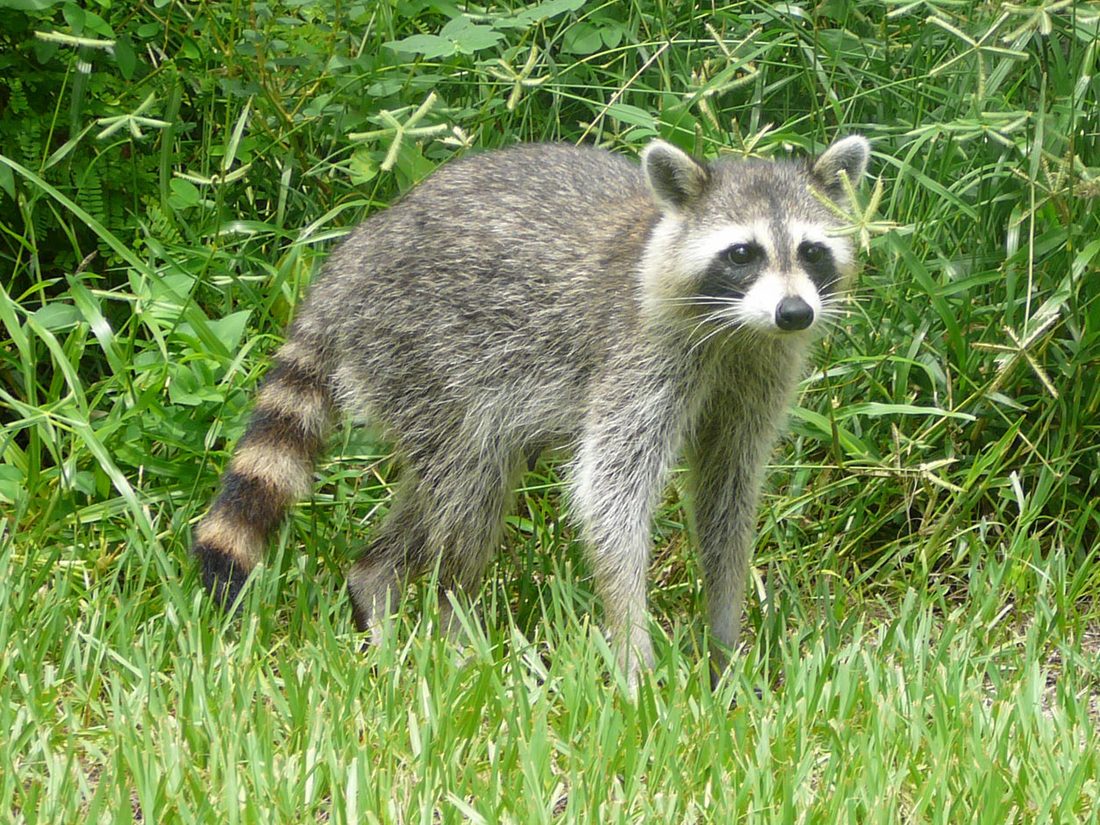
Gray, stocky animals with a black 'mask' and ringed tail, up to 20+ pounds.
Why They're a Problem in Florida
They're excellent climbers that tear into roofs, soffits, and vents to den in attics - especially females looking for a safe place to raise young.
The risk: They damage insulation and ducts, leave contaminated droppings (which can carry roundworm), and can be aggressive if cornered.
Signs of Raccoons
- Heavy nighttime movement in the attic
- Torn soffits, vents, or shingles
- Droppings and a strong odor
When They're Active
Year-round; den in attics especially during spring breeding season.
Prevention Tips
- Secure trash cans and remove food sources
- Cap chimneys and seal roof/soffit gaps
- Trim overhanging branches
How Taps Gets Rid of Raccoons
Our licensed local technicians target raccoons at the source with pet- and family-safe treatments, backed by our 100% satisfaction guarantee. See our treatment & pricing →
Raccoons - FAQs
How does Taps handle raccoons?
As licensed trappers, we remove raccoons humanely, seal and repair their entry points, and clean up and sanitize the affected areas so they can't return.
Why is a raccoon in my attic?
Most attic raccoons are females looking for a safe, warm place to den and raise their young, especially in spring. That's why removal has to account for babies - sealing the entry with a litter still inside traps them and creates a much bigger problem, so we check for and handle young first.
Is it legal to trap raccoons in Florida?
Raccoon removal is regulated, which is why it should be done by a licensed trapper. We handle it in compliance with Florida wildlife rules - humane removal, proper handling, and sealing the animal out - so you're not exposed to legal or safety issues from a DIY attempt.
Are raccoon droppings dangerous?
Yes. Raccoon feces can contain roundworm and other pathogens, and the mess soaks into insulation and drywall. Beyond removing the animal, proper cleanup and sanitizing of the contaminated area is an important part of the job - which we include.
Get Rid of Raccoons for Good
Get your free, no-obligation quote today.