Yellow Jackets & Wasps
Yellow jackets, hornets, and paper wasps build nests around Florida homes and can turn aggressive fast - a real danger for anyone with allergies.
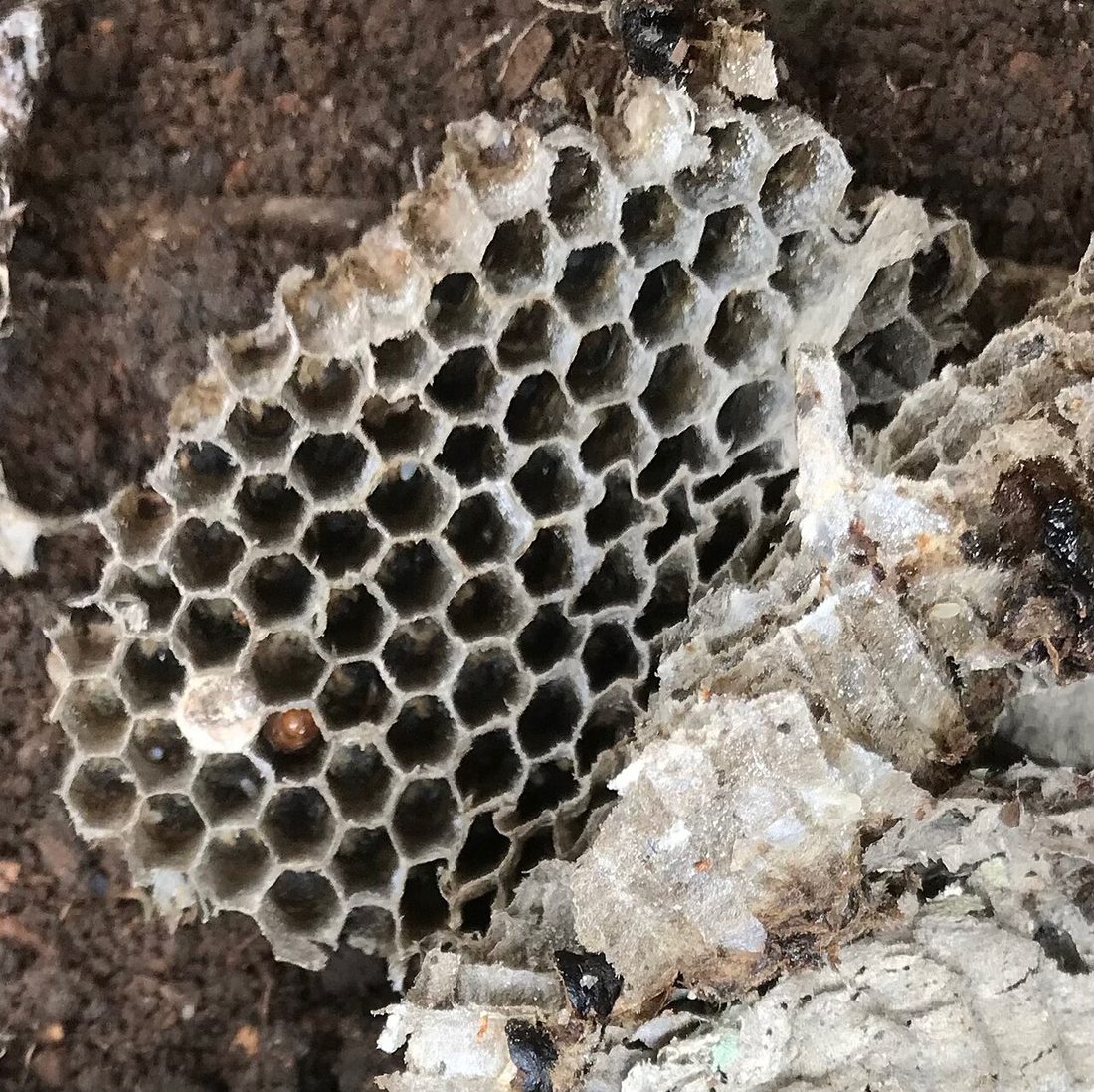
How to Identify Yellow Jackets & Wasps
Yellow-and-black striped (yellow jackets), large brown/black (hornets), or slender with long legs (paper wasps).
Why They're a Problem in Florida
They nest in eaves, soffits, wall voids, shrubs, and underground, and defend their nests aggressively when disturbed.
The risk: Multiple painful stings; potentially life-threatening allergic reactions.
Signs of Yellow Jackets & Wasps
- Wasps flying in and out of a spot on the house
- Paper or mud nests under eaves
- Increased activity around the yard in late summer
When They're Active
Nests grow through summer and peak in late summer/fall.
Prevention Tips
- Seal soffit and eave gaps
- Keep trash covered and food/drinks contained outdoors
- Don't disturb nests yourself
How Taps Gets Rid of Yellow Jackets & Wasps
Our licensed local technicians target yellow jackets & wasps at the source with pet- and family-safe treatments, backed by our 100% satisfaction guarantee. See our treatment & pricing →
Yellow Jackets & Wasps - FAQs
Is it safe to remove a wasp nest myself?
We don't recommend it - disturbing a nest can trigger dozens of stings, especially from yellow jackets and hornets. Professional removal with protective gear is far safer, particularly for anyone allergic.
What's the difference between wasps, hornets, and yellow jackets?
Paper wasps are slender with long dangling legs and build open, umbrella-shaped nests under eaves. Yellow jackets are compact, aggressive, and often nest in the ground or wall voids. Hornets are larger and build big enclosed paper nests. Yellow jackets and hornets are the most defensive and account for most sting incidents.
Where do wasps usually build nests on a house?
Under eaves and soffits, around door and window frames, inside wall voids and attic vents, in shrubs, and - for yellow jackets - in the ground or block walls. If you see insects steadily flying in and out of one spot on the house, there's a nest there.
Do you relocate honey bees instead of killing them?
Yes - honey bees are beneficial pollinators, so we handle them with live relocation whenever possible rather than extermination. Aggressive wasps, hornets, and yellow jackets are removed for safety. If you're not sure which you have, we'll identify it during the visit.
Get Rid of Yellow Jackets & Wasps for Good
Get your free, no-obligation quote today.