
Financing Available! Just ask for more information.

Benefits of Quarterly Pest Control

Florida’s warm climate offers year-round sunshine and comfort, but it also creates ideal conditions for a wide variety of pests. From mosquitoes in the summer to rodents and ants in cooler months, Florida homeowners face constant pest threats that can cause property damage, health issues, and daily discomfort. This makes quarterly pest control not just a convenience, but a necessity for maintaining a safe and healthy home environment.
Quarterly Pest Control

Understanding Florida's Unique Pest Pressure

Unlike regions that experience cold winters, Florida’s subtropical climate keeps pests active all year long. This extended activity means pests have more time to reproduce, infest homes, and establish nests. According to the University of Florida IFAS Extension, Florida is home to over 100 different pest species that affect residential properties, including termites, cockroaches, rodents, ants, and mosquitoes.

Seasonal Pest Patterns in Florida

Each season brings different pest threats:

Quarterly service ensures your home is protected with season-specific treatments and inspections.

What Is Quarterly Pest Control?

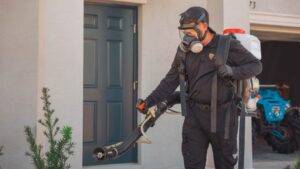
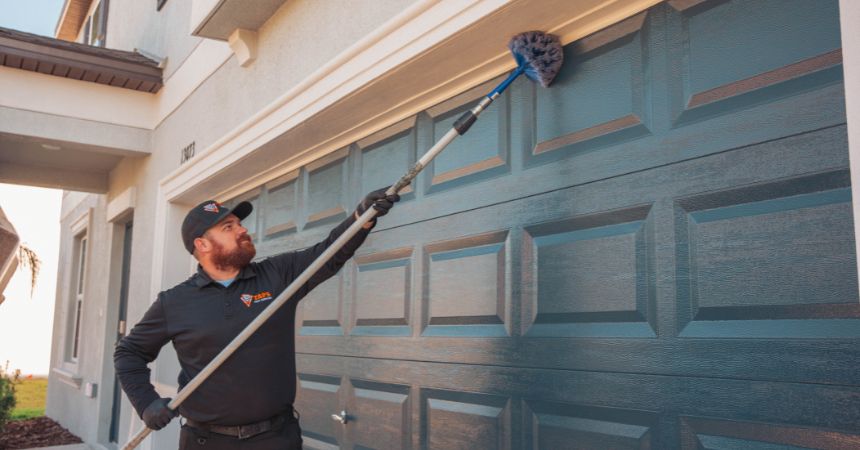
Technician performing quarterly pest control in Apollo Beach, Florida, removing webs and inspecting a residential home for pests.

Quarterly pest control means scheduling professional service every three months. These routine visits are designed to:

  • Prevent infestations before they escalate

  • Target and remove active pests

  • Monitor pest trends and activity zones

  • Apply preventative barriers and sealing treatments

It’s a proactive system, not just reactive extermination. This helps Florida homeowners stay ahead of the state’s intense pest cycles.

Benefits of Regular Pest Control

1. Prevents Property Damage

Rodents chew wiring and insulation. Termites silently eat away at wood. Stopping these pests early avoids thousands in repairs.

2. Protects Your Health

Cockroaches and rodents carry pathogens like salmonella and hantavirus. Ticks and mosquitoes transmit Lyme and West Nile. Regular pest control helps eliminate these risks.

3. Reduces Chemical Usage

With quarterly treatment, infestations are caught early—allowing for smaller, safer doses of EPA-approved products. This aligns with EPA guidance on IPM.

4. Boosts Peace of Mind

Knowing your home is inspected and treated every season offers reassurance—especially in a high-pressure pest state like Florida.

What to Expect During a Quarterly Visit

Each visit from a licensed pest control technician will include:


Inspection

  • Interior and exterior walkthrough

  • Checking for pest activity, entry points, and moisture

Seasonal Treatment

  • Spraying for ants, roaches, and spiders

  • Bait placement or traps (if needed)

  • Mosquito yard treatment (in warmer months)

  • Sealing entry points for rodents

Monitoring & Follow-Up

  • Technician logs treatment outcomes

  • Adjustments are made based on seasonal threats or homeowner concerns

Common Florida Pests Managed with Quarterly Plans

  • Ants (including fire and ghost ants)

  • Roaches (German and American species)

  • Spiders

  • Rodents

  • Silverfish

  • Mosquitoes (add-on)

  • Wasps & Hornets

While termites and wildlife usually require specialized plans, quarterly control covers the majority of recurring indoor and outdoor pests

Is Quarterly Pest Control Worth the Cost?

For most homes in Florida, yes—quarterly pest control is the best balance between cost and protection.

Estimated Costs:

  • Quarterly Plan: $45–$75 per visit (avg. $180–$300/year)

  • One-Time Treatment: $150–$250

  • Emergency Visit: $200–$400+

With quarterly service, you’re minimizing emergencies, keeping pests out year-round, and building a treatment history that can help with home resale or insurance inspections.

Why DIY Doesn’t Work Long-Term in Florida

DIY sprays and traps may offer temporary relief, but Florida pests are too aggressive and too frequent to manage without a plan.


According to the National Pesticide Information Center, incorrect pesticide use can be ineffective or even dangerous—especially around children, pets, or water systems.

Is It Time to Start Quarterly Pest Control?

Quarterly service is ideal for:

  • Homes in humid, wooded, or coastal zones

  • Families with children or pets

  • Landlords who manage rental homes

  • Homeowners who want consistent protection and less stress

Don’t wait for pests to show up—by then, the damage may already be underway. Get ahead of the season and start the year strong

Final Thoughts

Get a free inspection and customized pest protection plan. Our licensed Florida technicians are ready to help you enjoy a pest-free year.

Additional Resources

The Hidden Dangers of Termites and Signs to Watch For

The Hidden Dangers of Termites and Signs to Watch For

Termites are small, often unnoticed insects that cause immense damage to structures and properties over time. Often operating silently behind walls, under floors, or within wooden frameworks, these pests compromise the structural integrity of buildings and negatively impact property value.

Read More »
Image of a patio with candels on a table showing a bug free backyard. mosquito control in florida

Mosquito Control In Florida | Keep Mosquitoes Away From Your Yard This Summer

Mosquitoes are not only an annoyance during warm summer months but also a health hazard. Their bites can spread diseases such as West Nile virus, dengue fever, and other bacterial infections. In Florida, where the warm, humid climate makes the environment ideal for these insects, proper mosquito control is essential—especially for safe outdoor family gatherings, recreational activities, and maintaining pest-free business premises.

Read More »
Technician performing spring pest control in Florida residential yard

Spring Pest Control in Florida: Pest Prevention Tips

Get ahead of the season with expert spring pest control in Florida. As temperatures rise, so does pest activity—especially ants, termites, and mosquitoes. Learn how to protect your home with inspection tips, prevention checklists, and professional solutions from Taps Pest Services.

Read More »
Rodent hiding near a kitchen appliance, a common pest issue in homes.

Effective Pest Control Tips From Taps Pest Control

Are you tired of dealing with unwelcome visitors like insects and rodents in your home? Pest infestations can quickly turn your space into a stressful environment, especially if they take over areas like the attic or kitchen. In this guide, we will share effective pest control tips to help you keep your kitchen free of pests, ensure bathroom sanitation, and prevent stagnant water accumulation. By following these tips, you can create a healthier and safer home while reducing the risk of future infestations from cockroaches and other pests.

Read More »

Frequently Asked Questions About Dangers of Termites

Termite damage can significantly affect a home’s structure within a few years if left unchecked. Termites work from the inside out, slowly degrading wood and compromising load-bearing beams. Regular inspections and prompt treatment are essential to prevent critical damage and expensive repairs.

Early signs include wood damage, the presence of mud tubes, discarded wings near windows and doors, and frass (termite droppings) around wooden surfaces. Bubbling or blistering paint can also indicate underlying termite activity. Early detection allows for timely professional intervention.

Natural termite treatments using neem oil or essential oils can help repel termites and slow infestations. However, they are usually most effective when used as part of an integrated pest management strategy. Severe infestations often require additional chemical or baiting treatments for full eradication.

 In termite-prone regions, professional inspections are generally recommended twice a year—typically in the spring and fall. For newer constructions or well-maintained properties, annual inspections may suffice. Frequency should be based on local conditions and risk factors.

Fumigation is one of the most comprehensive options for severe infestations because it penetrates hidden areas to eradicate termites en masse. However, it is more disruptive and costly. In some cases, a combination of chemical treatments, baiting systems, and ongoing maintenance may effectively control severe termite problems without full fumigation.

Chemical treatments can pose environmental risks such as soil and water contamination if not applied responsibly. When performed by licensed professionals following strict safety guidelines, these treatments are controlled and effective. Integrated pest management strategies aim to minimize chemical use by combining various methods.

Baiting systems use strategically placed stations containing food-based attractants mixed with slow-acting toxins. Termites feed on the bait and then carry the toxin back to their colony, which gradually eliminates the population. This environmentally friendly method minimizes chemical use and is effective for long-term control.

Schedule A Service

taps pest control cartoon

Request A Service