Financing Available! Just ask for more information.

Wimauma Rodent Control

Stop Rats and Mice Before They Damage Your Home

Wimauma rodent control helps homeowners stop rats and mice before they create bigger problems inside walls, attics, garages, and kitchens. Rodents can contaminate food, damage wiring, and reproduce quickly when they find shelter, moisture, and easy entry points. This guide explains how Wimauma rodent control works, what warning signs to watch for, and why quick action matters. It also covers common causes, treatment options, prevention steps, and when it makes sense to bring in a professional.
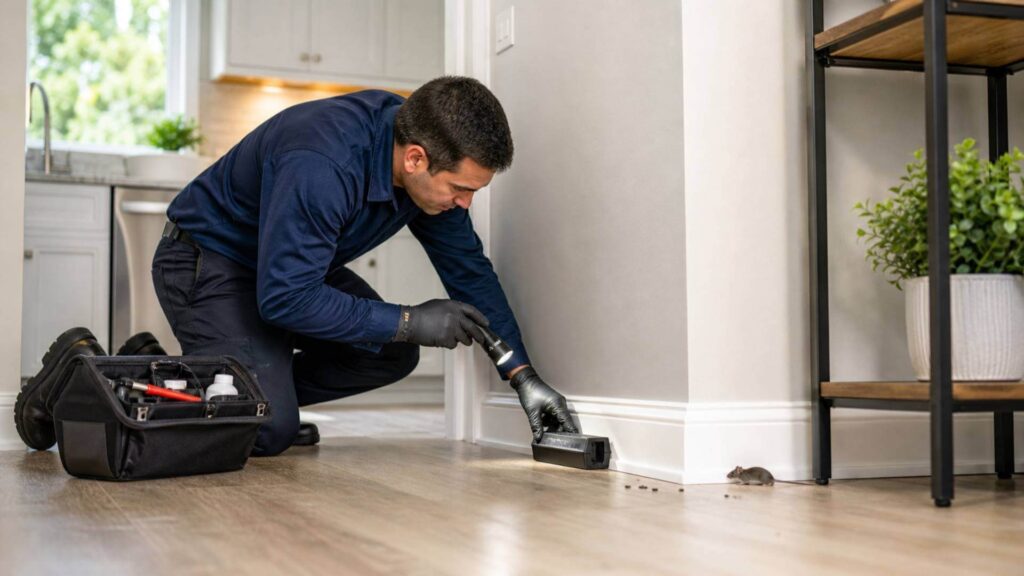
Wimauma rodent control technician setting a trap near a wall where mouse activity is present

Wimauma Rodent Control: Stop Rats and Mice Before They Damage Your Home

If you read last month’s article, Signs You Need Pest Control in Wimauma, you already know that many pest problems start with clues that seem minor at first. You may hear scratching at night, notice droppings in the pantry or garage, or find damage around stored items without realizing how quickly a rodent problem can grow. This page builds on that topic by focusing specifically on Wimauma rodent control, because rats and mice do more than create inconvenience. They can contaminate living spaces, damage insulation and wiring, and keep multiplying when the home gives them food, shelter, and access.

Here is the quick-read version of what this guide covers:

  • Wimauma rodent control helps eliminate rats and mice and reduce the conditions that let them stay.
  • Rodents often hide in attics, garages, wall voids, crawl spaces, and storage areas.
  • Common warning signs include droppings, scratching noises, gnaw marks, and nesting materials.
  • DIY trapping can help in limited situations, but larger infestations usually need a more complete strategy.
  • Professional Wimauma rodent control focuses on removal, exclusion, and prevention.

What Is Wimauma Rodent Control?

Wimauma rodent control is the process of identifying rat or mouse activity, locating where rodents are nesting or traveling, removing the active infestation, and sealing up the conditions that allow the problem to continue. That last part matters because rodent issues rarely end for good if the entry points and attractants remain in place.

Good Wimauma rodent control is not just about setting a few traps. It is about understanding how rodents are getting into the structure, what is supporting them once they are inside, and what needs to change to keep them from returning. A home with one visible mouse in the kitchen may have a much larger issue in the attic, garage, or wall voids.

That is why effective Wimauma rodent control combines inspection, removal, cleanup guidance, and exclusion. The goal is not just short-term relief. It is to make the property harder for rats and mice to access and survive in over the long term.

Why Rodent Problems Are So Serious in Wimauma

Rodents are more than a nuisance. They can create sanitation concerns, structural damage, and ongoing stress for homeowners. That is why Wimauma rodent control is one of the most important services to address quickly once warning signs appear.

Rodents reproduce fast

A small problem can become a much larger one in a short amount of time. When rodents have access to food, water, and nesting space, populations can grow before homeowners realize how active the infestation has become.

They contaminate surfaces and stored items

Rodents leave droppings and urine trails as they move through pantries, cabinets, attics, garages, and storage areas. That contamination is one of the main reasons Wimauma rodent control should not be delayed.

They can damage wiring and insulation

Rats and mice gnaw constantly. That means they may chew on wiring, wood, drywall edges, stored items, and insulation. Over time, this can create repair costs that go beyond the pest problem itself.

They stay hidden until activity increases

Many infestations begin in attics, behind walls, or in storage-heavy spaces. By the time rodents are seen out in the open, the infestation is often already established.

Outdoor conditions can push them inside

Changes in weather, food availability, nearby construction, yard clutter, or exterior openings can all increase the chance that rodents move indoors. That is why strong Wimauma rodent control usually involves both interior and exterior attention.

Common Signs You May Need Wimauma Rodent Control

Rodent infestations often leave behind clear warning signs. The sooner these signs are recognized, the easier it is to take action before the problem gets worse.

Droppings in cabinets, pantries, or garages

One of the most common signs is finding rodent droppings near food storage, baseboards, utility areas, or stored belongings. If you see them repeatedly, Wimauma rodent control should be scheduled soon.

Scratching or movement at night

Rats and mice are often most active after dark. If you hear scratching in the walls, attic, ceiling, or behind cabinets, it may indicate active movement through the structure.

Gnaw marks

Rodents chew on wood, cardboard, plastic, wires, and food packaging. Fresh gnaw marks or damaged pantry items often point to an active infestation.

Nesting materials

Shredded paper, fabric, insulation, dried plant material, or other soft debris may be gathered into nesting sites in hidden areas.

Strong musty odor in enclosed spaces

An established infestation can produce a noticeable odor, especially in attics, garages, utility rooms, or rarely used storage areas.

Grease marks or travel routes

Rodents often move along edges and leave dark rub marks on walls or baseboards where they travel repeatedly.
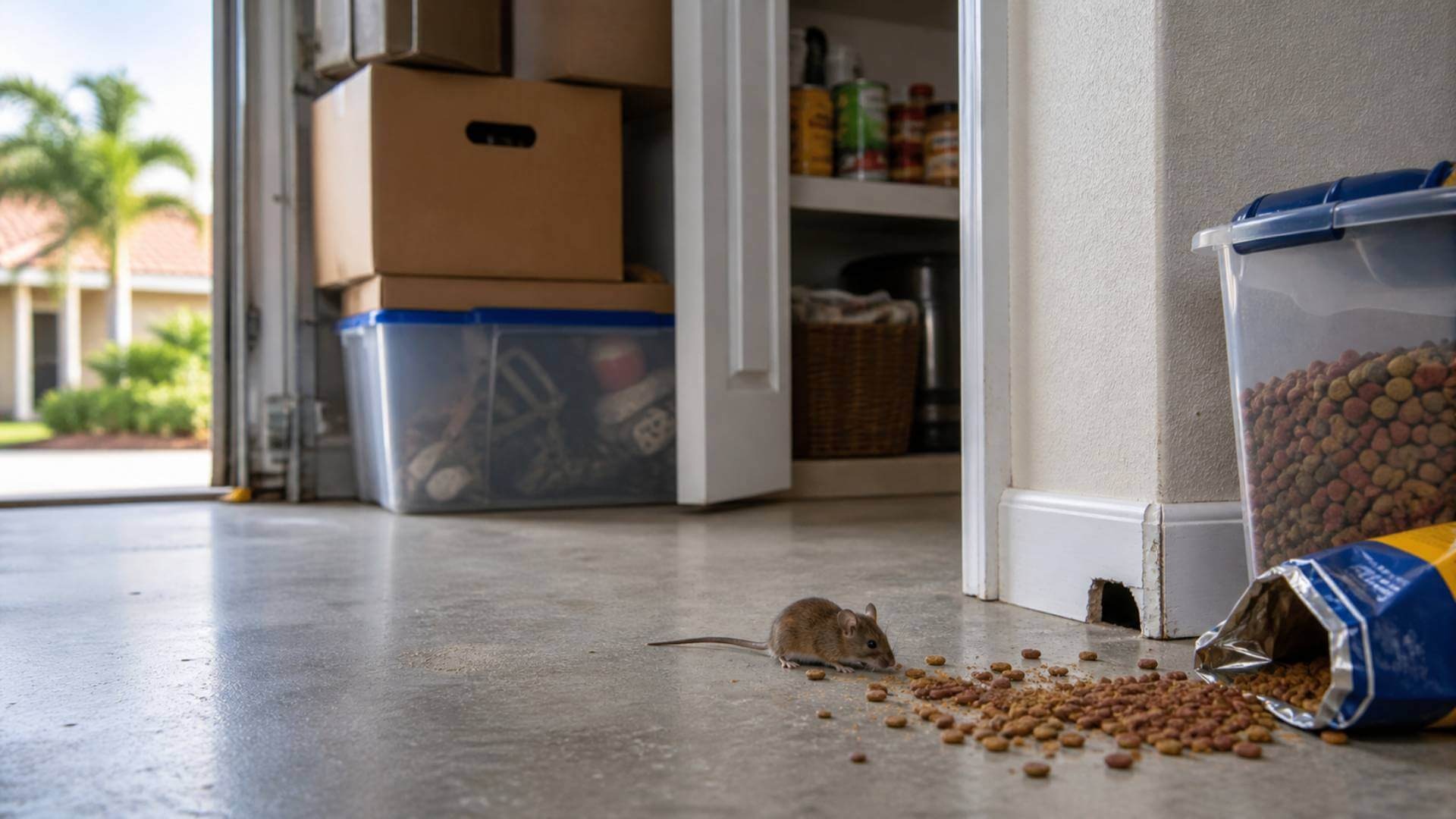
Wimauma rodent control image showing spilled pet food and entry points that attract mice into a home

What Attracts Rodents to a Home?

Rodents do not stay where they cannot survive. If rats or mice are active in a property, there is usually a combination of shelter, food, moisture, and access supporting them.

Easy food access

Open pantry goods, pet food, bird seed, crumbs, trash, and food residue all make a home more attractive. Even small amounts of accessible food can help support rodents indoors.

Shelter and hidden spaces

Attics, garages, wall voids, crawl spaces, sheds, and cluttered storage areas give rodents the protected nesting areas they need.

Moisture and water sources

Leaky pipes, condensation, irrigation overspray, and standing water near the structure can all contribute to rodent survival.

Yard clutter and exterior pressure

Wood piles, dense landscaping, stored materials, overgrown vegetation, and clutter near the foundation can give rodents places to hide before they move inside. That is one reason Wimauma rodent control often has to start with a full property view, not just the inside of the home.

Small entry points

Mice can enter through surprisingly small openings, and rats can use gaps that homeowners may not notice. Utility penetrations, roof lines, garage corners, foundation gaps, vents, and damaged seals are all common access points.

How Wimauma Rodent Control Works

Many homeowners try to handle rodents with a few traps and hope the problem disappears. In some cases, that may reduce visible activity, but it often does not solve the infestation fully. Effective Wimauma rodent control is more complete than that.

Inspection and activity mapping

The first step is identifying where rodents are active, what signs are present, and how they are moving through the property. This can include attics, garages, kitchens, pantries, utility areas, and exterior edges of the home.

Source and entry-point identification

A good Wimauma rodent control plan looks for how rodents got in. If entry points are not identified and addressed, the problem often returns.

Removal strategy

Depending on the situation, treatment may include strategically placed traps, bait stations in appropriate areas, and other professional methods designed to reduce the active population safely and effectively.

Exclusion and prevention

Long-term rodent control depends on closing access points and reducing the food, moisture, and shelter that made the home attractive in the first place.

Monitoring and follow-up

Rodent infestations often need follow-up to confirm activity has stopped and to make sure no new access is developing.

Rodent Treatment Options: A Practical Comparison

The best Wimauma rodent control strategy depends on the size of the infestation, where rodents are nesting, and how they are entering the property. Most recurring infestations need more than one tactic.

Trapping

Traps are commonly used to remove active rodents in targeted areas.


Best for:

  • Active indoor infestations
  • Attics, garages, kitchens, and utility spaces
  • Monitoring where movement is happening

Advantages:

  • Direct and measurable
  • Useful for identifying activity levels
  • Often an important part of professional Wimauma rodent control

Things to consider:

  • Placement matters
  • Trapping alone may not solve the problem if entry points remain open

Tamper-resistant exterior bait stations

Exterior stations can help reduce rodent pressure around the structure when used appropriately.


Best for:

  • Properties with outdoor rodent activity
  • Recurring exterior pressure
  • Supporting broader control plans

Advantages:

  • Helps reduce activity before rodents move inside
  • Useful for long-term monitoring

Things to consider:

  • Best used as part of a complete strategy
  • Does not replace exclusion and interior inspection

Exclusion work

Exclusion means sealing openings and hardening the home against future entry.


Best for:

  • Repeat infestations
  • Homes with visible access points
  • Long-term prevention

Advantages:

  • One of the most important parts of lasting Wimauma rodent control
  • Helps prevent new rodents from entering

Things to consider:

  • Must be thorough to work well
  • Often follows inspection and population reduction

Sanitation and habitat reduction

This focuses on reducing the conditions that support rodents around the property.


Best for:

  • Cluttered garages or sheds
  • Food storage issues
  • Yard conditions that attract rodents

Advantages:

  • Makes treatment more effective
  • Lowers the chance of reinfestation

Things to consider:

  • Requires homeowner participation
  • Works best alongside professional removal

DIY vs Professional Wimauma Rodent Control

Rodent problems are one of the most common situations where homeowners try a few DIY fixes first. The challenge is that visible rodent activity is often just one part of the problem.

Why DIY can fall short

A trap may catch one mouse while others remain active in the attic or wall voids. A bait product may reduce some activity but fail to address where rodents entered or where they are nesting. That means the infestation can continue quietly even when it appears better for a short time.

Why professional service works better

Professional Wimauma rodent control is built around full inspection, targeted removal, exclusion planning, and follow-up. It addresses not only the rodents you know about, but also the conditions that made the infestation possible.

When professional rodent control makes the most sense

Professional help is usually the better choice when:

  • droppings keep appearing
  • noises are coming from the attic or walls
  • DIY traps are not solving the issue
  • there are signs of chewing or nesting
  • rodents are active in more than one part of the home
  • you want a longer-term solution instead of repeated guesswork

For many homeowners, the real value of Wimauma rodent control is not just removal. It is restoring confidence that the home is protected from repeat infestations.

How Wimauma Homeowners Can Lower Rodent Risk

The most effective rodent control plans combine treatment with prevention. Making the home and yard less inviting can reduce the chance of future infestations.

Store food securely

Keep pantry items sealed, avoid leaving pet food out overnight, and store bird seed or bulk items in rodent-resistant containers.

Reduce clutter

Garages, sheds, attics, and utility spaces with stacked boxes, paper, or unused materials create better nesting opportunities.

Seal entry points

Inspect around pipes, doors, garage edges, roof lines, vents, and utility penetrations for openings that could allow rodents inside.

Trim vegetation and clean up the yard

Overgrown landscaping, debris piles, and materials stored against the home give rodents hiding areas near entry points.

Fix leaks and reduce moisture

Water sources support rodent survival just as much as food. Dry conditions make the property less hospitable.

If you are also dealing with broader outdoor pest pressure, our Wimauma Pest Control page covers how different pest issues can overlap around the same property.

Comparison: Trapping Alone vs Full Rodent Control

Homeowners often wonder whether traps are enough. The answer depends on whether the problem is isolated or part of a larger infestation.

Trapping alone 

This may help if:

  • activity is very limited
  • the source is known
  • there is no ongoing access issue
  • signs are minimal and recent

But trapping alone often falls short when rodents are nesting in hidden spaces or entering from multiple points.

Full rodent control

A full Wimauma rodent control plan makes more sense if:

Best for:

  • droppings keep reappearing
  • noises are happening at night
  • multiple rooms or spaces are affected
  • attic or garage activity is present
  • you suspect ongoing entry from outside
  • you want prevention, not just short-term capture

For most established infestations, a complete approach is the more reliable option.

When to Take Action

Rodent problems usually become harder to solve when they are ignored. The best time to act is early, before the infestation spreads or damage increases.


You should schedule Wimauma rodent control when:

  • you hear scratching in walls or ceilings
  • droppings are appearing in kitchens, garages, or storage areas
  • food packaging is being chewed
  • you see nesting material or grease marks
  • rodents are seen during the day or in multiple locations
  • prior DIY efforts have not worked

If you are also managing outdoor comfort issues that make the property harder to enjoy, our Wimauma Mosquito Control page explains how another common local pest problem can build around moisture, landscaping, and exterior conditions.

Final Takeaway

Wimauma rodent control is about more than catching one rat or mouse. It is about finding the source of the infestation, removing active rodents, sealing entry points, and making the property less attractive to future problems. Because rodents can contaminate living spaces, damage materials, and reproduce quickly, the smartest move is to act early. If you are seeing droppings, hearing nighttime activity, or noticing signs of chewing or nesting, now is the time to schedule Wimauma rodent control and protect your home before the problem grows.

Additional Resources

Rodent hiding near a kitchen appliance, a common pest issue in homes.

Effective Pest Control Tips From Taps Pest Control

Are you tired of dealing with unwelcome visitors like insects and rodents in your home? Pest infestations can quickly turn your space into a stressful environment, especially if they take over areas like the attic or kitchen. In this guide, we will share effective pest control tips to help you keep your kitchen free of pests, ensure bathroom sanitation, and prevent stagnant water accumulation. By following these tips, you can create a healthier and safer home while reducing the risk of future infestations from cockroaches and other pests.

Read More »

Schedule A Service

Comprehensive Pest Control in Lithia, Florida

Frequently Asked Questions About Rodent Control In Wimauma Florida

If you notice droppings, gnaw marks, scratching sounds, nesting material, or repeated rodent sightings, professional service is usually the next step.
Traps may remove individual rodents, but the infestation often returns if entry points, nesting sites, and food sources are still available.
Food, water, shelter, clutter, yard debris, and small exterior openings are some of the biggest factors.
No. Early treatment is often the best way to prevent a small rodent problem from turning into a much larger one.

Request A Service