Wimauma’s climate allows ant colonies to stay active for long stretches of the year. Instead of disappearing for long periods, ants may remain active around the structure, in landscaping, and inside the home whenever conditions support them.
Ants do not need much to survive. A few crumbs, sugary residue, pet food, damp cabinetry, or plumbing condensation can be enough to keep them coming back. Homes with kitchens, bathrooms, laundry areas, and garages all provide opportunities for ant activity.
One reason ant infestations can be frustrating is that different species respond to different solutions. A treatment that helps with one type of ant may do very little for another.
Ghost ants are tiny, pale-bodied ants that are especially common in Florida homes. They are often found in kitchens and bathrooms and are attracted to sweets and moisture. Because they are so small, homeowners may not notice how widespread the activity is until the infestation has grown.
Fire ants are usually more of an outdoor concern, but they can still affect the overall property environment and create risk in yards, walkways, and landscaped areas. They are known for aggressive behavior and painful stings.
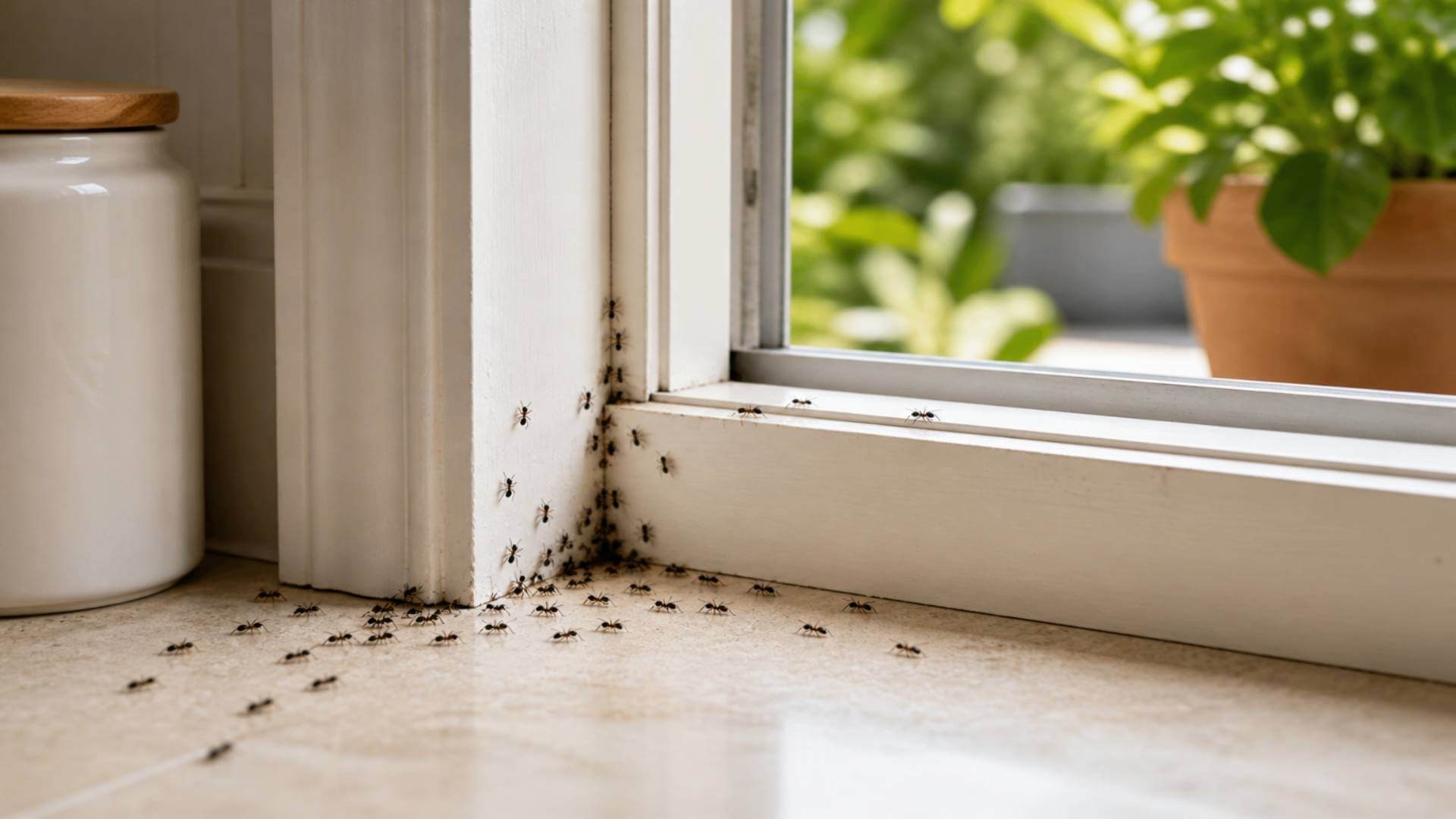
Some nuisance ant species form large colonies and follow consistent trails indoors. These infestations may seem minor at first, but repeated activity usually means a larger colony is established nearby.
Ant problems are often dismissed because ants are small and familiar. The problem is that recurring activity usually means the colony is already established and finding what it needs nearby.
If you have sprayed before and the ants came back within days or weeks, that is a strong sign the original source was never eliminated. Good Wimauma ant control focuses on colony-level treatment, not just temporary knockdown.
Leaky faucets, damp cabinetry, utility rooms, and bathroom plumbing can all attract ants. Some species are especially drawn to water, particularly during dry periods outside.
Food access is a major driver of ant activity. If ants keep finding pet bowls, crumbs, sugary spills, or pantry areas, they have likely established consistent foraging routes.
Depending on the species, you may notice fine debris, small soil buildup, or activity near baseboards, wall gaps, or exterior cracks. These signs can point to nearby nesting.
Ant infestations usually develop because the property offers food, water, shelter, or easy access. The more of those factors a home has, the more likely ants are to keep returning.
Crumbs, sticky residue, unsealed pantry goods, overflowing trash, and pet food all attract ants. Even a small amount of accessible food can support frequent ant activity.
Damp wood, condensation, leaking pipes, and humid utility areas make the home more attractive to ants. This is especially important for species that seek water as aggressively as food.
Ant colonies in mulch, soil, pavers, or nearby landscaping can feed repeated indoor invasions. Without addressing the outside pressure, indoor ant problems often continue.
Rain, drought, heat, and lawn irrigation patterns can all shift ant activity. When outdoor conditions change, ants often move inside looking for more stable access to water and food.
The next step is identifying where ants are traveling and where they may be nesting. That can include exterior trails, wall voids, landscaping edges, window gaps, plumbing penetrations, and hidden indoor harborage areas.
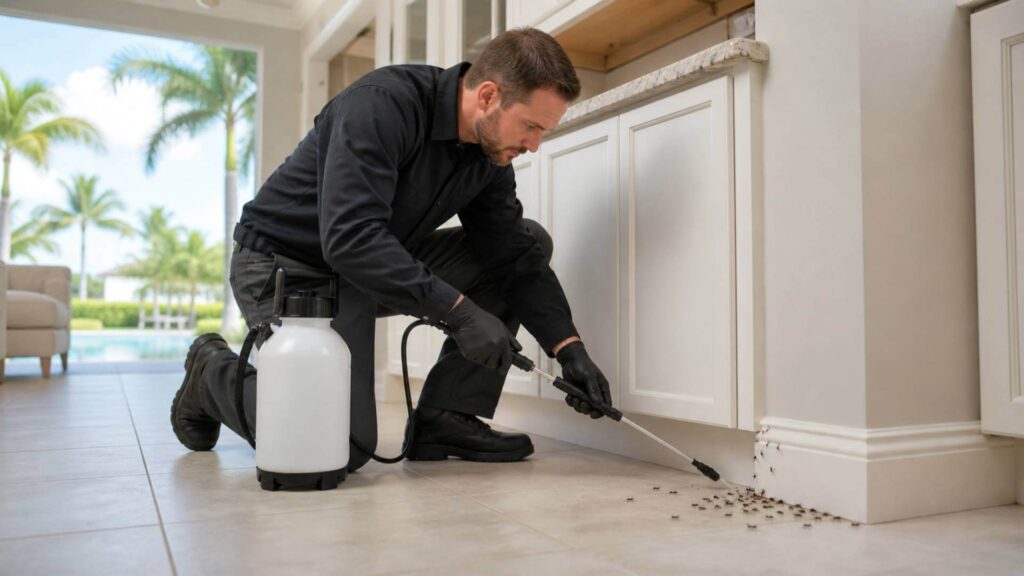
Depending on the infestation, treatment may include baits, crack-and-crevice applications, perimeter treatment, dusts in voids, or direct nest treatment where appropriate.
The best treatment for ants depends on the species, colony size, and activity pattern. Most recurring infestations need a more strategic solution than one surface spray.
Ant problems look simple, which is why many homeowners start with DIY treatment. The challenge is that DIY products often deal with the ants in front of you instead of the colony driving the problem.
Sprays may kill a visible trail without touching the nest. In some cases, poorly chosen treatment can cause parts of the colony to scatter and form new nesting areas. That turns a localized issue into a more frustrating long-term problem.
Professional treatment is important, but prevention also matters. The fewer resources ants can find around your home, the easier it is to keep them out.
Wipe counters, sweep floors, store pantry items in sealed containers, and avoid leaving dirty dishes or pet food out for long periods.
Moisture attracts ants just as much as food in many cases. Repair plumbing leaks and dry out damp cabinets or utility areas.
Branches and dense landscaping can create easier access to the structure. Keeping vegetation back can reduce some ant entry routes.
Use caulk or exclusion work around utility openings, windows, doors, and visible structural gaps where ants may be entering.