Drywood Termites
Unlike subterranean termites, drywood termites live entirely inside dry wood - furniture, framing, trim - with no contact with soil. That changes everything about how they're treated.
How to Identify Drywood Termites
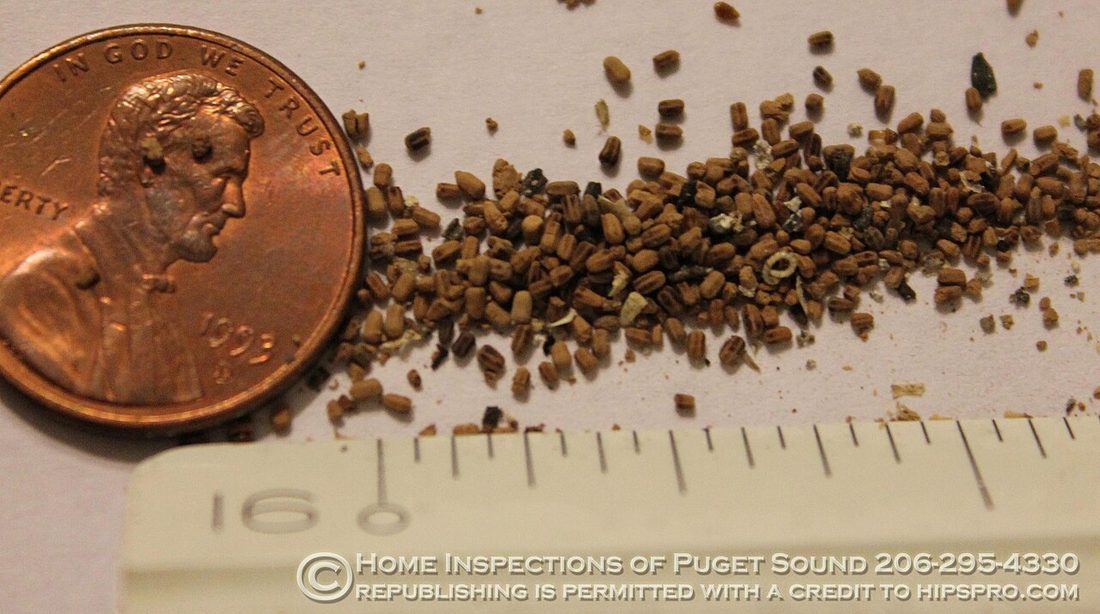
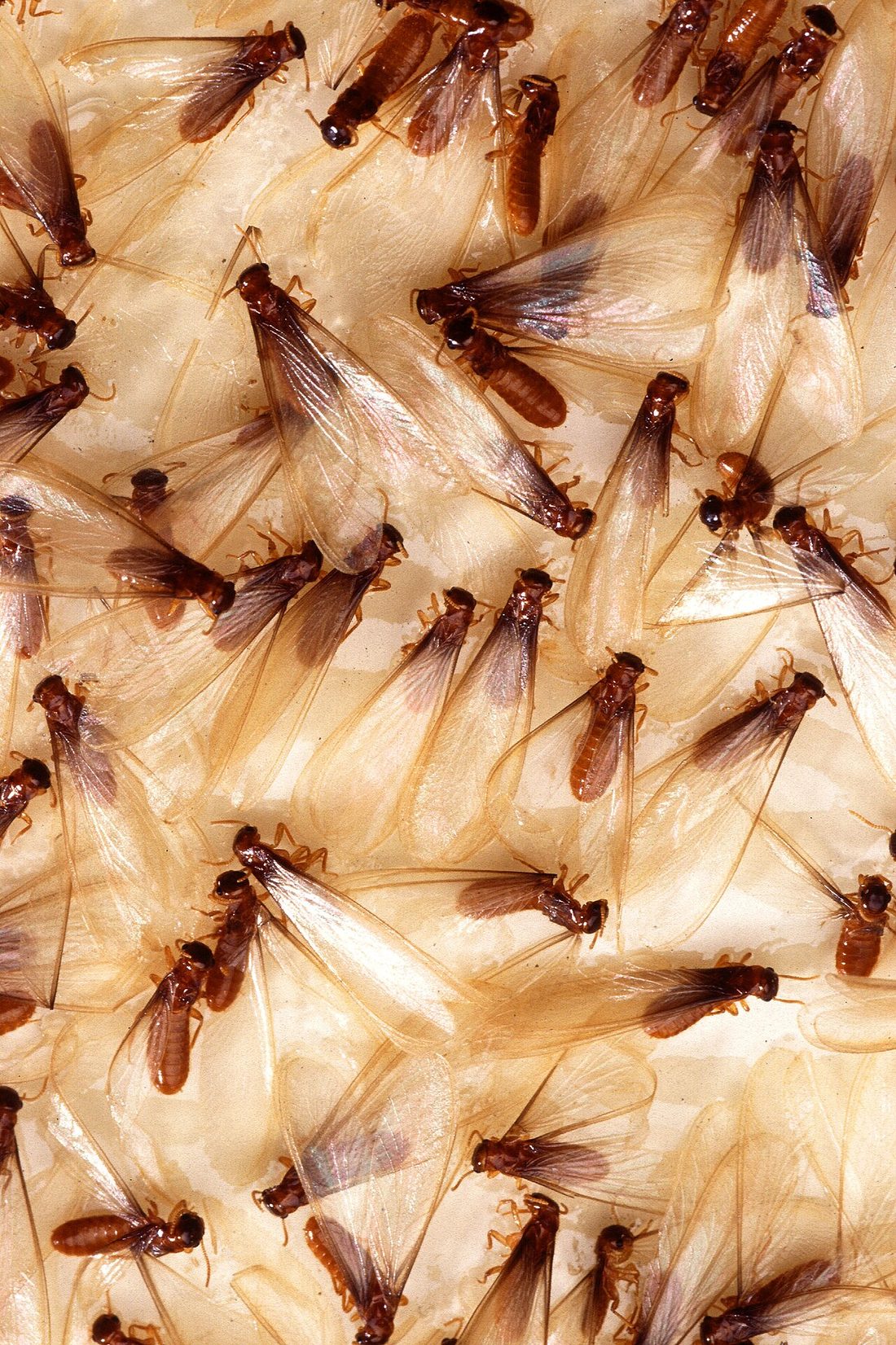
Swarmers are reddish-brown, and colonies push out distinctive pellet-like droppings (frass) that look like coffee grounds or sawdust.
Why They're a Problem in Florida
Small, slow-growing colonies infest attic framing, doors, window frames, and furniture, often in several spots around a home.
The risk: They weaken wood from the inside and can spread to multiple areas of the structure.
Signs of Drywood Termites
- Tiny pellet droppings (frass) in small piles
- Blistered or hollow wood
- Discarded wings on windowsills
When They're Active
Swarm in the warm months, often at night toward lights.
Prevention Tips
- Seal cracks and crevices in exterior wood
- Keep wood sealed/painted
- Have suspect wood inspected early
How Taps Gets Rid of Drywood Termites
Our licensed local technicians target drywood termites at the source with pet- and family-safe treatments, backed by our 100% satisfaction guarantee. See our treatment & pricing →
Drywood Termites - FAQs
How do I know when I need to tent (fumigate) my house?
Tenting is the answer when drywood termites are in areas you simply can't reach with local treatment - inside inaccessible framing, spread through the attic, or showing up in several different spots around the home. Local/spot treatments (foam, Bora-Care, drill-and-inject) only work when we can physically reach each infested piece of wood. Once the activity is widespread or hidden inside the structure, whole-structure fumigation is the only method that penetrates all the wood at once and reaches every colony. A thorough inspection tells us which situation you're in.
How long does tent fumigation prevent termites?
This is the part most homeowners aren't told: a standard tent fumigation has NO residual protection. The gas kills every termite inside the wood at the time of treatment, but the moment the tent comes off, nothing stops a new drywood swarmer from flying in and starting a fresh colony - literally the very next day. Fumigation is a reset, not a shield. That's exactly why we recommend our Prevent-the-Tent options, which add ongoing protection so you're not left wide open the day after treatment.
What is 'Prevent the Tent'?
Prevent the Tent™ is our program built around the gap that fumigation leaves behind. Instead of (or alongside) a one-time tent with zero residual, we use targeted no-tent treatments and ongoing protection so drywood termites can't simply re-infest after treatment. It's designed to keep you protected long-term - not just clear for a single day. See our Prevent the Tent page for how it works.
Do I always have to tent for drywood termites?
Not always. When the activity is limited to accessible wood, we can often treat it directly with no-tent methods - foam and dust injected into the galleries, Bora-Care wood treatment, or heat - and skip the tent entirely. Tenting becomes necessary when the infestation is widespread or in wood we can't reach. We recommend the least invasive method that will actually solve your specific situation.
What does drywood termite frass (droppings) look like?
Frass is the single most recognizable sign. Drywood termites push their droppings out of tiny 'kick-out' holes, leaving small piles of hard, six-sided pellets that look like coffee grounds, sawdust, or coarse sand - often on a windowsill, baseboard, or floor beneath infested wood. If you're sweeping up little piles that keep coming back, that's drywood termites.
Can drywood termites spread to my whole house?
Over time, yes. Colonies grow slowly but throw off swarmers that start new colonies in other pieces of wood around the home - which is how a problem in one window frame becomes activity in the attic, doors, and furniture. That spread is exactly what pushes a home from spot-treatable to needing a tent, so catching it early matters.
Get Rid of Drywood Termites for Good
Get your free, no-obligation quote today.