Subterranean Termites
Subterranean termites cause the majority of termite damage in Florida. They live in the soil and tunnel up into your home, often unseen for years.
How to Identify Subterranean Termites
Creamy-white workers you rarely see; dark swarmers with two pairs of equal-length wings appear in spring.
Why They're a Problem in Florida
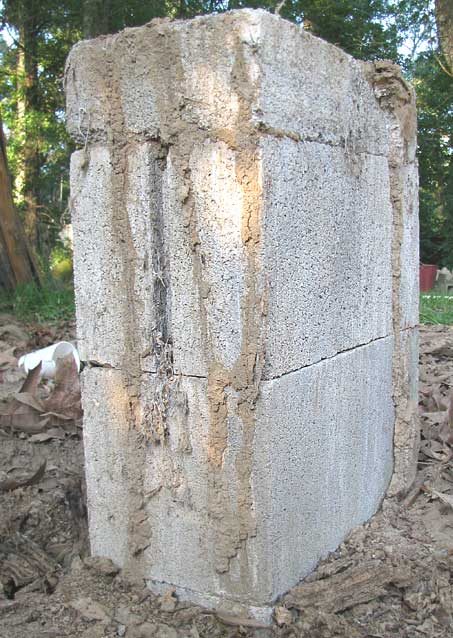
They build pencil-width mud tubes from the soil to reach wood, and a mature colony can contain hundreds of thousands of termites eating around the clock.
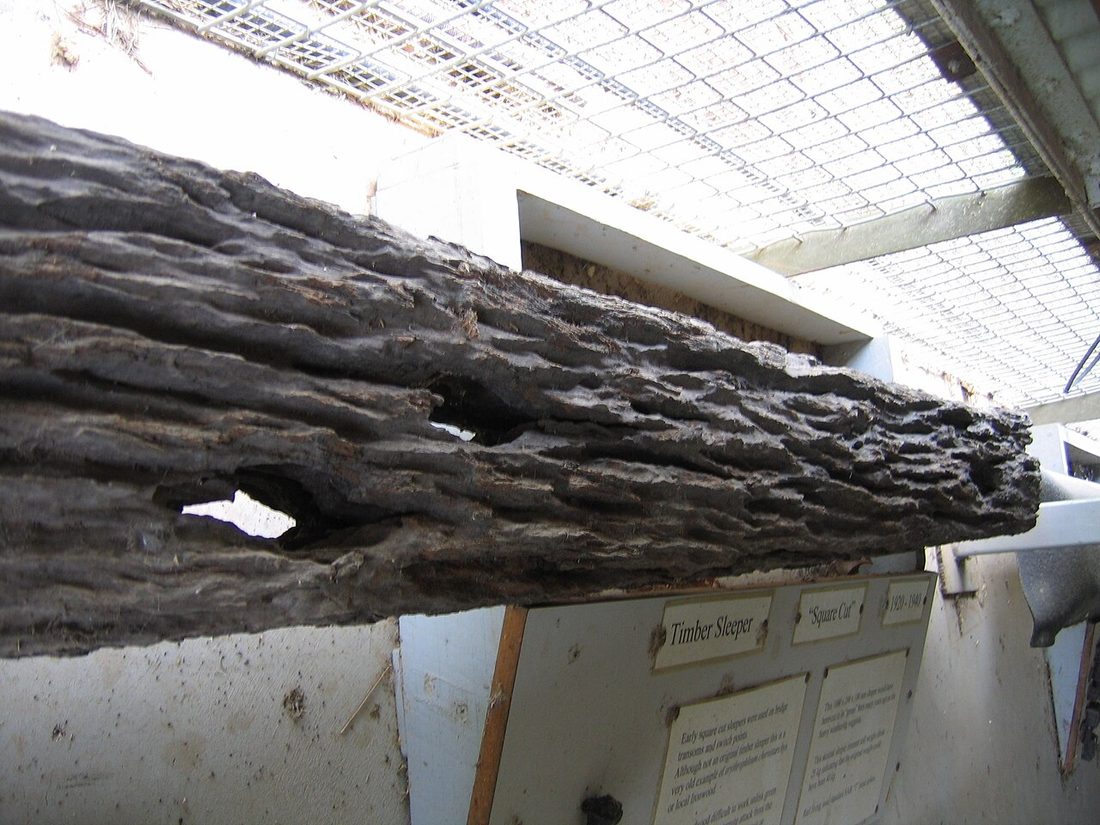
The risk: They silently destroy structural wood - damage that's usually not covered by homeowners insurance.
Signs of Subterranean Termites
- Mud tubes on the foundation or walls
- Discarded wings near windows after a swarm
- Hollow-sounding or blistered wood
When They're Active
Active year-round; swarms peak in spring.
Prevention Tips
- Keep soil and mulch away from siding
- Fix leaks and direct water away from the foundation
- Get an annual termite inspection
How Taps Gets Rid of Subterranean Termites
Our licensed local technicians target subterranean termites at the source with pet- and family-safe treatments, backed by our 100% satisfaction guarantee. See our treatment & pricing →
Subterranean Termites - FAQs
How does Taps treat subterranean termites?
We install Trelona® ATBS in-ground bait stations and/or a trench-and-treat liquid barrier in the soil around your home, then monitor annually. A free inspection determines the right approach for your property.
What's the difference between subterranean and drywood termites?
Subterranean termites live in the soil and tunnel up into wood through mud tubes - they need soil contact. Drywood termites live entirely inside the wood with no soil contact. That difference completely changes the treatment: subterraneans are handled with soil barriers and in-ground bait, while drywood infestations are treated in the wood itself (or by fumigation). Correctly identifying which one you have is the first and most important step.
How do I know if I have subterranean termites?
The classic sign is pencil-width mud tubes running up the foundation, piers, or interior walls - that's how they travel from the soil to your wood without drying out. You may also see swarmers or discarded wings near windows in spring, and wood that sounds hollow or looks blistered. A free inspection confirms it.
Do I need to tent my house for subterranean termites?
No. Tenting (whole-structure fumigation) is for drywood termites that live up inside the wood. Because subterranean termites live in the soil and come up into the home, they're controlled by treating the soil - a liquid barrier and/or in-ground bait stations - not by fumigating the structure.
Are termites covered by homeowners insurance?
Almost never. Insurers consider termite damage a preventable maintenance issue, so repairs come out of your pocket. That's exactly why an annual inspection and an active termite plan are so much cheaper than the damage - a subterranean colony can eat 24/7 for years before it's noticed.
How often should I have a termite inspection?
At least once a year in Florida - our climate is one of the highest-pressure termite zones in the country. Annual monitoring catches new activity early, keeps any warranty in force, and is the difference between a treatment and a structural repair bill.
Get Rid of Subterranean Termites for Good
Get your free, no-obligation quote today.