Mosquitoes are not only an annoyance during warm months but also a health hazard, capable of spreading West Nile virus, dengue fever, and other infections. In Florida's warm, humid climate, proper mosquito control is essential for safe outdoor gatherings and pest-free properties. The most effective approach is integrated: combine the elimination of breeding hotspots, natural repellents, protective barriers, and targeted treatments.
Eliminate Mosquito Breeding Hotspots
Eliminating breeding habitat is the cornerstone of mosquito control. Mosquitoes lay eggs in standing water, so removing water sources reduces the population and the need for chemical insecticides.
Empty Standing Water Regularly
Standing water accumulates in plant saucers, buckets, toys, and pet bowls. Inspect outdoor containers and empty them weekly so mosquitoes can't lay eggs. Even small amounts of stagnant water can breed species like Aedes aegypti. Flush birdbaths and refresh water in playsets often.
Clean Gutters and Downspouts
Clogged gutters form mini-reservoirs of stagnant water. Clean them at least once a month during the rainy season, and consider gutter guards to prevent debris buildup so water flows freely instead of pooling.
Manage Bird Baths and Pet Dishes
Change the water in birdbaths and pet dishes daily. A fountain or water circulator keeps water moving, and moving water is far less likely to harbor larvae than still water.
Address Drainage Issues
Improper drainage creates puddles ideal for mosquito reproduction. Inspect for low spots where water collects after rain, and improve drainage with regrading, French drains, or soil amendments. For ornamental water bodies, larvicides can prevent larvae from developing.
Use Mosquito Dunks Where Water Can't Be Removed
For rain barrels and unavoidable standing water, mosquito dunks containing Bti (Bacillus thuringiensis israelensis) release bacteria that target mosquito larvae without harming other wildlife, pets, or people.
Natural Mosquito Repellent Strategies
Mosquito-Repelling Plants
Citronella, lavender, marigold, basil, and rosemary emit scents mosquitoes dislike. Arrange them in clusters around patios, decks, and walkways for a natural, attractive barrier.
Attract Natural Predators
Birds such as purple martins and swallows, along with bats, feed on adult mosquitoes. Installing birdhouses or bat boxes attracts these predators, reduces reliance on chemicals, and supports a balanced ecosystem.
Use Essential Oils Safely
Eucalyptus, lemon, and tea tree oils have repellent properties and can be diffused, sprayed, or used in candles. Lemon eucalyptus oil is among the most effective natural repellents. Use them moderately, as concentrated forms may irritate skin or plants.
Position Fans During Gatherings
Mosquitoes are weak fliers. Oscillating fans in seating areas disrupt their flight and make it difficult for them to land and bite - a chemical-free way to keep gatherings comfortable.
Create Protective Barriers
- Repair screens on windows, doors, and porches. Intact screens can block up to 95% of mosquitoes.
- Use mosquito netting over seating areas and play zones, especially at dusk and dawn when activity peaks.
- Choose insect-friendly lighting. Warm, yellow-hued or LED lights attract fewer mosquitoes than traditional bulbs.
- Wear light-colored, protective clothing during peak hours to reduce bites.
Select and Apply Yard Treatments
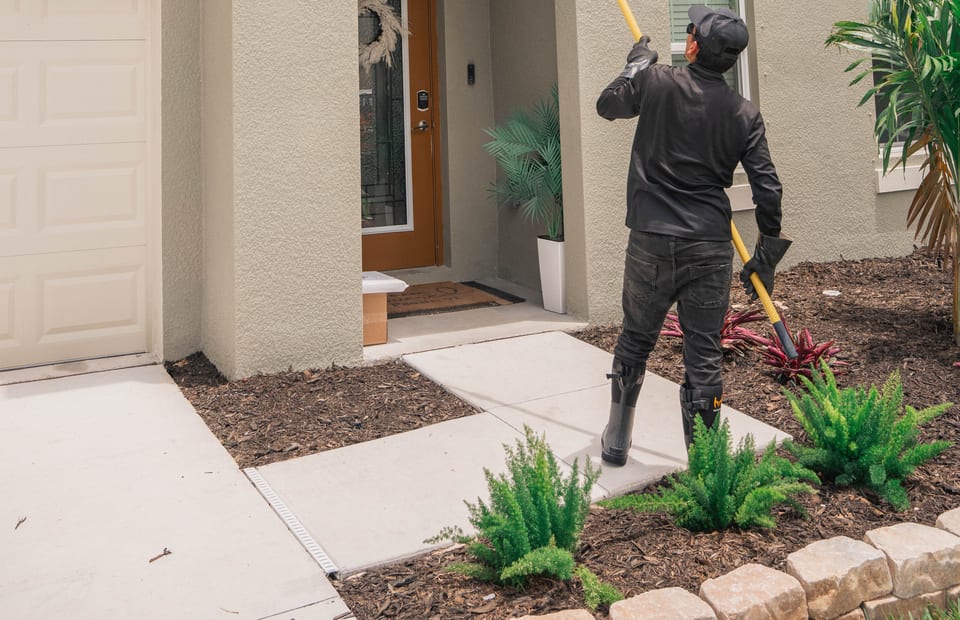
Targeted treatments reduce adult populations quickly. Residual sprays provide long-lasting protection on vegetation, while thermal foggers temporarily reduce adults in the immediate area. Focus applications on shady, humid areas - dense shrubbery, tall grass, and under decks - where adult mosquitoes rest. Always follow product instructions carefully, wear protective gear, and consider eco-friendly, pet-safe options such as products derived from neem or pyrethrin. Timing matters too: treat during early morning or dusk and apply larvicides after rainfall before populations explode.
When to Engage Professional Services
Call a professional when mosquito populations become unmanageable despite routine treatments, when you notice persistent biting or egg rafts in water, or when mosquito-borne disease is a concern. Professionals use integrated pest management (IPM) - combining cultural, biological, and chemical methods - plus advanced detection like CO₂ traps and larval sampling. Look for licensed local providers who offer monitoring, follow-up treatments, and ongoing service plans, since mosquito control is not a one-time affair.
Maintain a Mosquito-Resistant Yard
- Mow regularly and trim overgrown vegetation to remove resting areas.
- Remove yard debris like leaf piles and grass clippings that hold moisture.
- Monitor and re-treat damp, shady areas, especially after rain.
- Educate family and neighbors - collective prevention reduces the whole neighborhood's mosquito pressure.
- Adapt your plan as summer conditions change.
Final Thoughts
Mosquito control is an ongoing challenge in Florida's climate. By integrating multiple strategies - eliminating breeding sites, using natural repellents, establishing barriers, and applying targeted treatments - you can significantly reduce mosquito populations. Professional services add assurance through integrated pest management that adapts as conditions change.