When the first real cold fronts move through Tampa Bay, the wildlife feels it the same way you do. The simple rule is this: when you're cold, they're cold. Rats, mice, squirrels, raccoons, and bats all start looking for the warmest, driest, safest place around - and a Riverview or Tampa attic checks every box. Cooler nights are exactly when our wildlife and rodent calls climb, because the animals outside have decided your home is the best shelter in the neighborhood.
Key Takeaways
- Cold weather pushes rats, mice, squirrels, raccoons, and bats indoors for warmth.
- They get in through surprisingly small gaps along the roofline, soffits, vents, and chimneys.
- A rat needs a gap the size of a quarter; a mouse only needs a dime-sized hole.
- Early signs are scratching overhead at night, droppings, and chewed wires or insulation.
- Trapping alone never lasts - sealing the entry points (exclusion) is what actually keeps them out.
When It's Cold, They Come Inside
Florida wildlife does not hibernate. When temperatures drop, animals simply relocate to somewhere warm, and they are remarkably good at finding the path of least resistance into a heated home. Our mature tree canopy makes it easy: roof rats, squirrels, and raccoons travel along branches, fences, and power lines straight onto the roof, then slip in through the smallest opening they can find. Because most of these animals breed year-round in our climate, a couple that move in during a cold snap can become a full nesting problem by the time spring arrives. Getting ahead of them early in the season is far easier than clearing an established colony later.
The Winter Intruders in Tampa Bay
Roof rats & mice
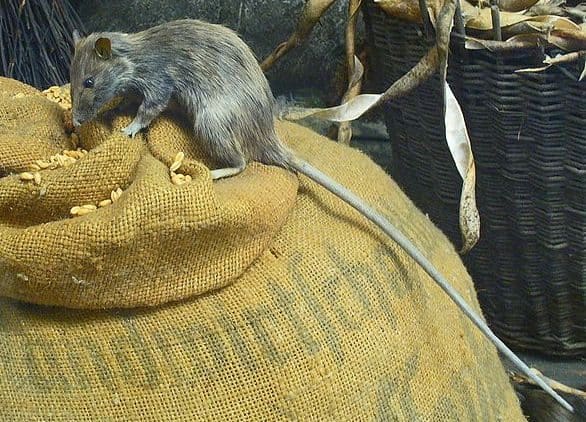
By far the most common cold-weather invaders. Roof rats enter from the roofline and nest in attics, chewing wiring (a genuine fire risk) and shredding insulation for nesting material. Mice squeeze through even smaller gaps and multiply fast. Both leave droppings, gnaw marks, and that unmistakable scratching sound overhead at night.
Squirrels
Squirrels are active by day and love attics and soffits for nesting, especially as it cools off. They gnaw constantly to keep their teeth filed down, which means chewed wires, trim, and vents. A squirrel in the attic often sounds heavier and more daytime-active than a rat.
Raccoons
Raccoons are strong, clever, and will tear open soffits, vents, or roof edges to get into a warm attic - often to den and have young. They cause real structural damage and leave significant waste behind, so they need licensed, humane removal rather than a DIY approach.
Bats
Bats roost in attics and wall voids and squeeze through gaps less than an inch wide. In Florida, bats are protected, and there are legal windows for when they can and cannot be excluded. That makes professional, legal bat removal and exclusion essential - the job has to be done humanely and by the rules.
How They Get In: Common Entry Points
Almost every winter intruder uses the same handful of weak spots. Walk your roofline and exterior and you will usually find them:
- Gaps and lifted edges along the soffits and fascia
- Roof-to-wall intersections and loose or damaged shingles
- Open or unscreened roof vents, gable vents, and ridge vents
- Gaps around plumbing stacks, cables, and other roof penetrations
- Chimneys without a cap
- Gaps under or beside the garage door and where utility lines enter the home
Signs Something Has Moved In
- Scratching, scurrying, or thumping overhead - rats and mice at night, squirrels and raccoons often by day
- Droppings in the attic, garage, or along walls
- Chewed wires, wood trim, or food packaging
- Shredded insulation or nesting material in the attic
- A musky smell or greasy rub marks along beams and baseboards
If you notice any of these, act quickly. Beyond the noise, these animals chew wiring, contaminate insulation, and keep multiplying through the cool season.
Why Trapping Alone Never Works
This is where most do-it-yourself jobs fall apart. Trap the rats but leave the holes open, and new ones follow the same scent trails right back inside - which is exactly why homeowners feel like they can never truly get rid of them. The only permanent fix is trapping plus full exclusion: remove the animals that are inside, then seal every entry point so nothing can follow them in. Do one without the other and the problem simply comes back.
How Taps Handles Winter Intruders in Tampa Bay
As a family-owned, FDACS-licensed company and licensed trappers, we solve the whole problem, not just the part you can hear. Our rodent control and exclusion service pairs trapping with a full roofline inspection, seals every entry point, and can clean and sanitize the attic afterward. We also handle raccoons, squirrels, and legal wildlife removal, so one call covers everything getting into your attic this winter. Serving Riverview, Tampa, Brandon, and all of Tampa Bay. Call 813-315-0447 for a free inspection, and get your home sealed up before the cold-weather intruders settle in.